
Companies That Replaced Humans With AI Are Realizing Their Mistake
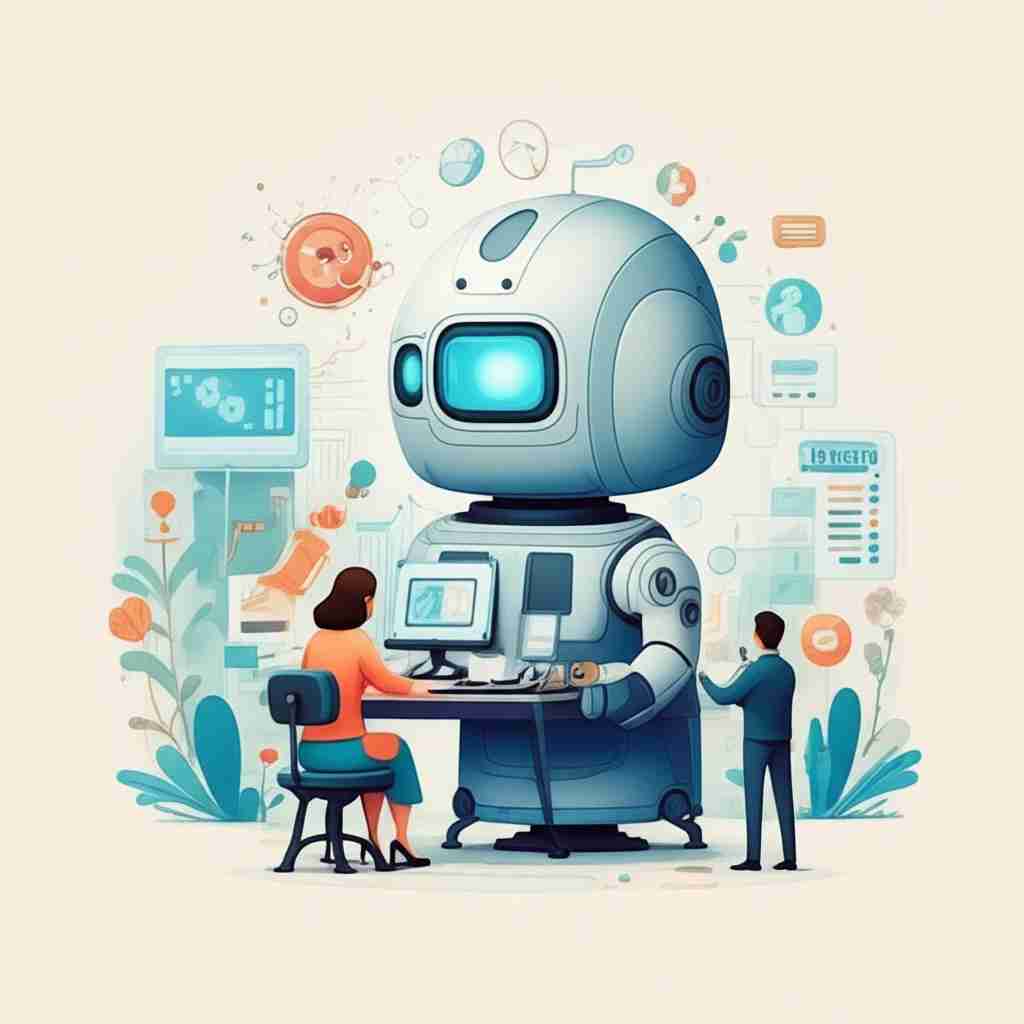
In the rush to embrace artificial intelligence, many companies have sought to cut costs and boost efficiency by replacing human workers with AI systems. But as the technology matures and adoption scales up, surprising challenges have emerged—forcing business leaders to rethink a strategy that once seemed inevitable. Drawing on expert insights and recent research, this post explores why human value remains indispensable, what companies have learned from hasty automation, and where the future of AI in the workplace is headed.
The Reality Behind Replacing Humans With AI
The vision of AI-powered organizations, free from the limits of human bandwidth, is seductive. AI agents—essentially autonomous software entities leveraging large language models (LLMs) and data—are seen as super assistants that could form digital workforces numbering in the thousands or even millions. In theory, a single skilled manager could oversee vast fleets of AI systems, executing complex, round-the-clock operations.
- Scalability: AI enables the creation and management of automated agents at a scale no human team can match.
- Speed: AI agents can complete tasks—such as allocating resources, making decisions, or automating customer service—within seconds, far surpassing human speeds.
- Cost: AI, once set up, can reduce short-term labor costs and operate without the constraints of sick leave, fatigue, or turnover.
Yet, practical experience and deeper reflection have exposed the limitations of this approach. Replacing human workers with AI has triggered unforeseen complications in areas such as quality control, organizational culture, data privacy, and even the ability to innovate.
Lessons From the Frontlines: Why AI Alone Falls Short
According to industry experts and early adopters, relying too heavily on AI in place of humans comes with significant pitfalls:
- Quality and Nuance: AI agents, while powerful, struggle with complex social and creative tasks that require empathy, ethical judgment, and cultural awareness. As discussed in the interview, “AI agents…are a superpowered personal assistant. But if someone else creates my agent, it’s like my identity has been entirely stolen.” The authentic voice, creativity, and nuanced decision-making that humans bring simply can’t be replicated by code.
- Control and Oversight: AI systems, especially when decentralized and open-sourced, require diligent governance. Without robust protocols for identifying, updating, or removing rogue agents, organizations risk data breaches, misinformation, or even external actors gaining control of critical business functions.
- Closed vs. Open Architectures: Centralized, proprietary AI ecosystems (such as large corporate LLM APIs) create new single points of failure, vendor lock-in, and censorship risks. As the transcript notes, “If you’re building a system that scales, closed blockchains could become centralized points of failure…We’ve seen Solana outages as an example.”
- Loss of Institutional Knowledge: When the shift to AI is too aggressive, companies find that critical institutional memory, tacit knowledge, and team cohesion are lost—negatively impacting adaptability and resilience.
Research Insights: The Downside of Dismissing Human Workers
A study conducted at Futurism investigated the real-world outcomes of companies that replaced humans with AI agents. The research found that many organizations initially expected seamless productivity and cost savings. However, these companies soon realized that the absence of human oversight led to:
- Unanticipated errors and reduced quality in deliverables
- Difficulties in handling complex, ambiguous, or customer-facing tasks
- Negative impacts on employee morale and brand trust among customers
- Increased costs related to system maintenance, troubleshooting, and legal risks
The study concluded that while AI agents excel at performing repetitive, high-volume tasks, companies ultimately benefited most by using AI to augment rather than replace human workers. This evidence reinforces the principle that successful digital transformation depends on human expertise, adaptability, and cultural intelligence alongside the efficiencies AI can deliver.
Hybrid Approaches: Harnessing AI’s Potential Without Losing the Human Touch
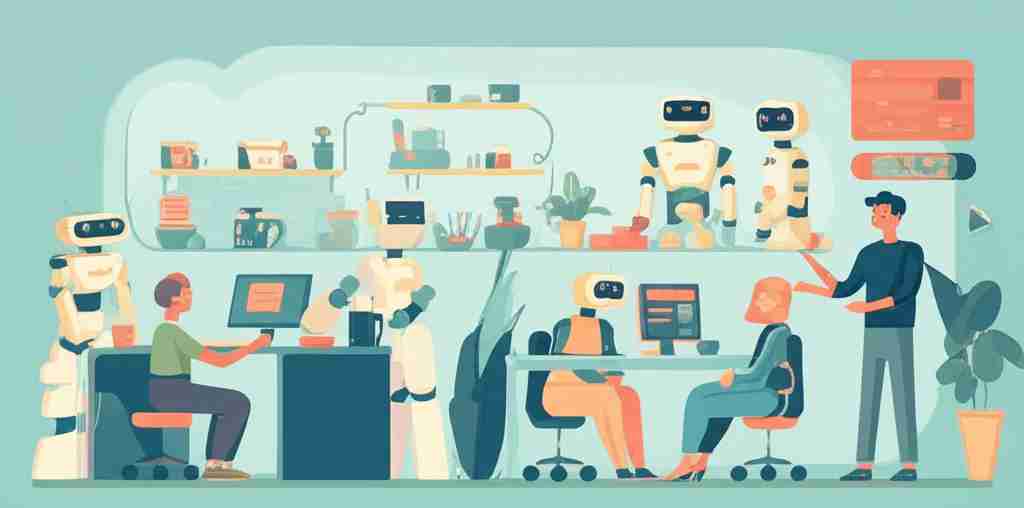
The emerging consensus is that companies should integrate AI systems as tools to empower human teams, not as substitutes. Several strategies are being explored across industries to get the best of both worlds:
- Open Source and Decentralization: Leveraging open-source AI models (for example, those available on platforms like Hugging Face) allows organizations greater control over data and customization, but also requires robust community-driven oversight and authentication. “Open source…means building fast, resilient, and creative teams,” the expert in the transcript emphasized. But it also means, “you must be the fastest, most creative, most resilient team, constantly improving.”
- Distributed Decision Making: Incorporating processes reminiscent of decentralized autonomous organizations (DAOs), where human teams and AI cooperatively vote, review, and sign off on workflow outcomes, can help balance efficiency with accountability.
- Augmentation, Not Replacement: AI agents can automate mundane or repetitive parts of jobs (such as scheduling, data processing, or transaction approvals), freeing up humans to focus on complex, interpersonal, and strategic tasks.
- Personalization with Privacy: Advances in “sovereign AI” allow individuals and businesses to train, deploy, and control their own AI agents and data—minimizing risk of misuse and maximizing alignment with unique goals and values.
What Businesses and Workers Can Do: Actionable Takeaways
The future of work undoubtedly includes increasingly sophisticated AI agents. But the lived experiences of leading companies and current research suggest that a thoughtful, integrated approach is essential.
For companies:
- Invest in AI upskilling for human employees, prioritizing prompt engineering, workflow automation, and technological partnership skills
- Audit and monitor AI systems regularly for drift, errors, or bias, ensuring human oversight in customer-facing and high-stakes decisions
- Foster a culture where employees are empowered to work collaboratively with AI tools, not compete against them
- Embrace open architectures to avoid vendor lock-in and ensure data sovereignty, but build authentication and verification systems to prevent misuse
For workers:
- Develop “AI literacy” by learning how to work with and direct AI agents—not just perform routine tasks
- Focus on cultivating skills AI cannot mimic: leadership, empathy, creativity, ethical decision-making, and cross-cultural communication
- Consider new roles in AI management, such as agent interface design, prompt engineering, and source data curation
- Pursue hybrid business models, using AI to support entrepreneurial or creative endeavors rather than replace human contribution
Conclusion: Rediscovering the Value of Human-AI Collaboration
The promise of AI is vast, but the lived results from companies that rushed to replace humans with artificial intelligence have been sobering. Rather than eliminating the need for human workers, these experiments highlighted their irreplaceable value in judgment, creativity, oversight, and trust.
The most successful organizations will not be those that automate recklessly, but those that thoughtfully blend AI and human strengths. By learning from early missteps, investing in education, and embracing open, collaborative approaches, companies and individuals alike can look forward to a future where technology and humanity evolve together—stronger, faster, and more resilient than ever before.
For more research on this topic, see: Companies That Replaced Humans With AI Are Realizing Their Mistake
About Us
At AI Automation Perth, we help businesses harness the benefits of AI while valuing the unique strengths of human teams. Our tailored solutions focus on using AI to support, not replace, your staff—optimizing workflows, boosting efficiency, and freeing up valuable time. We believe the best results come from combining smart technology with real human insight, ensuring your business evolves with confidence in the age of AI.