
How Software Engineers Actually Use AI: The Integration Era
Introduction: The Changing Landscape of AI for Software Engineers
Artificial intelligence (AI) is no longer confined to the headlines of massive breakthroughs or the imagination of science fiction. For software engineers, the role of AI is quickly evolving from futuristic marvel to an integral, everyday tool. As the AI hype cycle changes, engineers are navigating a new phase—one focused less on disruptive innovation and more on integrating AI practically into their daily workflows. This blog post explores how software engineers actually use AI today, the transition from hype to integration, the key ways AI boosts productivity, and practical advice for maximizing its potential.
From Breakthroughs to Integration: A New Era for AI in Engineering
In the early days of generative AI tools like ChatGPT, many developers felt a mixture of excitement and anxiety. The ability of AI to write code, generate images, or automate tasks led to speculation about job security and the future of software development. The initial shockwaves have since settled, ushering in what some call the “integration era” of AI.
- Breakthrough Era: Characterized by rapid, newsworthy innovations and public fascination (e.g., AI writing functional code or designing interfaces from prompts).
- Integration Era: Defined by the steady adoption of AI as an ever-present tool within established workflows, with a focus on combining and connecting existing technologies.
Instead of revolutionary leaps, engineers are now building meaningful, practical connections between AI and other software tools. The emergence of high-quality integrations—through server connectors, automation platforms, and developer widgets—means AI is less about spectacle and more about making life and work easier for engineers and end users alike.
How Software Engineers Are Using AI: Real Practices and Current Trends
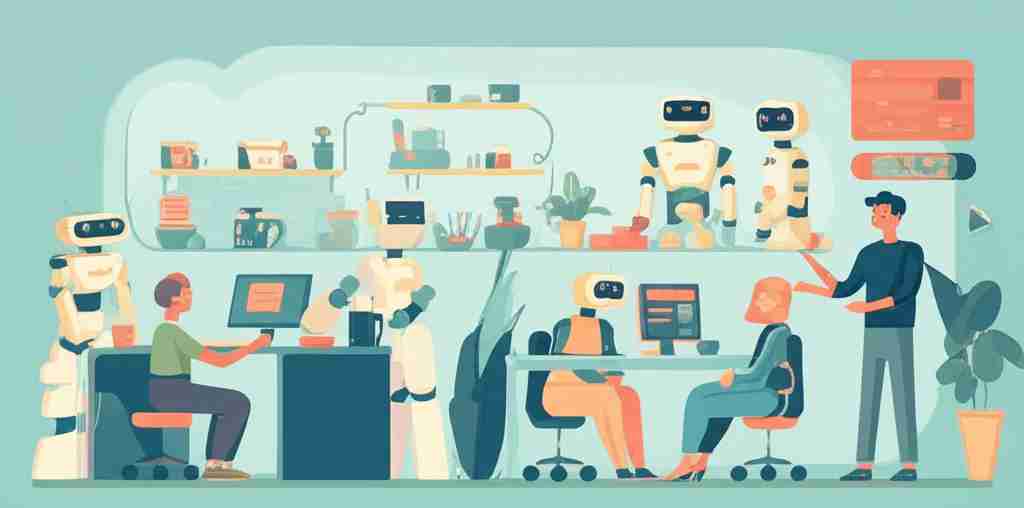
The actual use of AI among software engineers today centers around enhancing productivity, fostering creativity, and streamlining routine tasks. With the hype mellowing, AI is being woven into the fabric of daily engineering practice in several key ways:
- Code Assistance and Generation: Using AI-powered coding assistants (like GitHub Copilot or ChatGPT) to draft boilerplate code, suggest functions, or review logic.
- Integration and Automation: Leveraging AI to connect disparate tools and automate workflows, such as with integration platforms like Zapier or custom server scripts.
- Collaboration and Iteration: Using AI chats and code review tools as a sounding board for challenging problems or experimental ideas, prompting engineers to think critically and creatively.
- Productivity Enhancements: Delegating repetitive or tedious tasks to AI—like writing emails, generating documentation, or even preparing simple front-end designs—so engineers can focus on problem-solving and product development.
- Quality of Life Improvements: From automating parts of the development process to providing instant feedback, AI enables engineers to spend more time engaging with clients, collaborating on features, and pushing more code.
This shift marks a move from speculation about AI replacing engineers to a reality where AI empowers engineers to work smarter and more creatively.
The Science of AI Adoption: Evidence from Recent Research
A study conducted at Wired closely examined how software engineers apply AI tools in real-world settings. The research found that, contrary to fears of obsolescence, most engineers use AI to enhance rather than replace their workflows. The key findings include that AI integration is now standard across many teams, with the emphasis on connecting tools and improving productivity rather than generating novel, standalone solutions. This supports the observed shift in the field from rapid breakthroughs to strategic, quality-focused integration. You can read more about these findings in the full report: How Software Engineers Actually Use AI.
Practical Takeaways: Maximizing the Value of AI in Your Development Workflow
For developers and teams seeking to harness the true power of AI, the current era offers a wealth of opportunities. Here are some actionable tips to maximize value while adapting to the evolving state of AI:
- Focus on Integration, Not Replacement: The most successful engineers use AI to connect tools, streamline processes, and reduce redundant code, rather than expecting fully autonomous solutions.
- Maintain Code Review Discipline: Always review AI-generated code line by line. While AI boosts productivity, it is not yet reliably production-ready and can introduce subtle errors.
- Embrace Experimentation: Use AI as a creative partner to try out ideas, break through mental blocks, or quickly prototype new features—even if ultimate decisions remain human-led.
- Invest in Learning Integration Tools: Master platforms like Zapier, N8N, or custom piping solutions to fit AI into your existing tech stack and daily routines.
- Communicate the Benefits: Share your AI-enhanced workflows with team members and stakeholders to drive adoption and showcase the tangible improvements in productivity and client engagement.
- Balance the Hype: Recognize that AI is a tool—not a replacement for novel human intelligence, but a multiplier for human creativity and efficiency.
The plateau phase of AI adoption is a natural and valuable stage, offering time to learn, adapt, and extract the most utility from these powerful tools before the next wave of breakthroughs arrives.
Conclusion: The Road Ahead for Software Engineers and AI
AI’s role in software engineering has shifted from a disruptive force to a practical companion. While the era of headline-grabbing breakthroughs has momentarily plateaued, the day-to-day reality for most engineers is that AI is now a core element of their workflow. The focus is on integrating tools, automating the mundane, and amplifying productivity—paving the way for the next stage of AI evolution. As the technology matures, those who lean in and creatively combine AI with other tools will stand out as the most adaptable and effective developers. This integration era is not the end of the AI revolution, but the necessary foundation for whatever comes next.
About Us
At AI Automation Perth, we understand the value of practical AI integration—just like software engineers adapting to the new era of automation. Our team helps local businesses weave AI into daily operations, making technology work seamlessly behind the scenes to reduce admin, improve efficiency, and unlock productivity. We’re here to support you as the landscape of AI evolves, helping you harness its potential for real-world results.