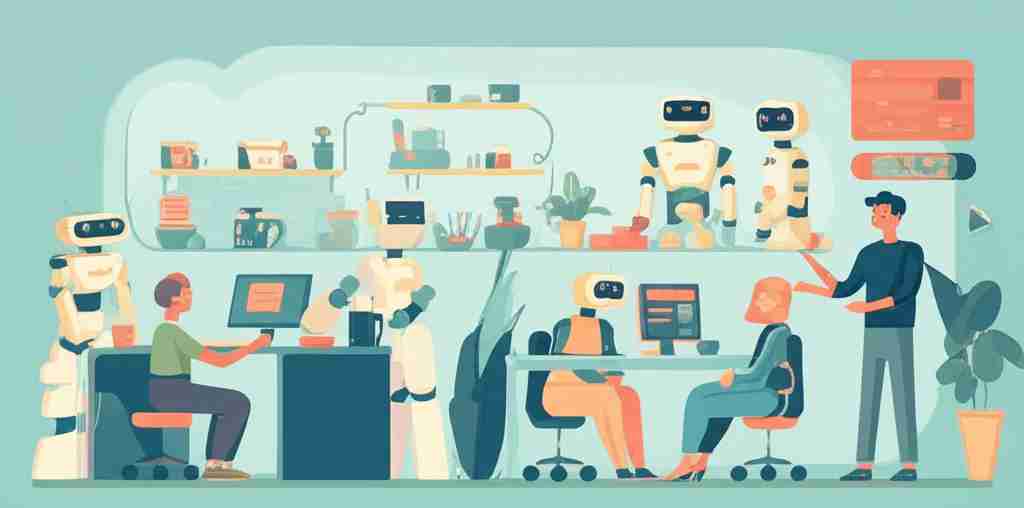


From Chatbots to Robots: The Rise of ‘Physical AI’
Advances in artificial intelligence (AI) have dominated technology headlines for years, with software-based chatbots reshaping the way we communicate and work. However, a new era is emerging—one in which AI leaves the confines of code and enters the physical world in the form of robots and autonomous machines. This development, known as ‘physical AI,’ is rapidly transforming industries like e-commerce, warehousing, logistics, manufacturing, and even healthcare. In this blog post, we will explore the rise of physical AI, how companies like Amazon are spearheading this revolution, what it means for jobs, and the far-reaching impacts this technology may have on society.
Understanding the Evolution: From Digital Chatbots to Physical AI
Initially, AI breakthroughs were most noticeable in the form of conversational agents such as chatbots—software programs that can simulate human-like dialogue and handle customer service or technical support tasks with remarkable accuracy. These tools, including popular platforms like ChatGPT and Google’s AI models, have transformed online interactions, customer engagement, and business operations.
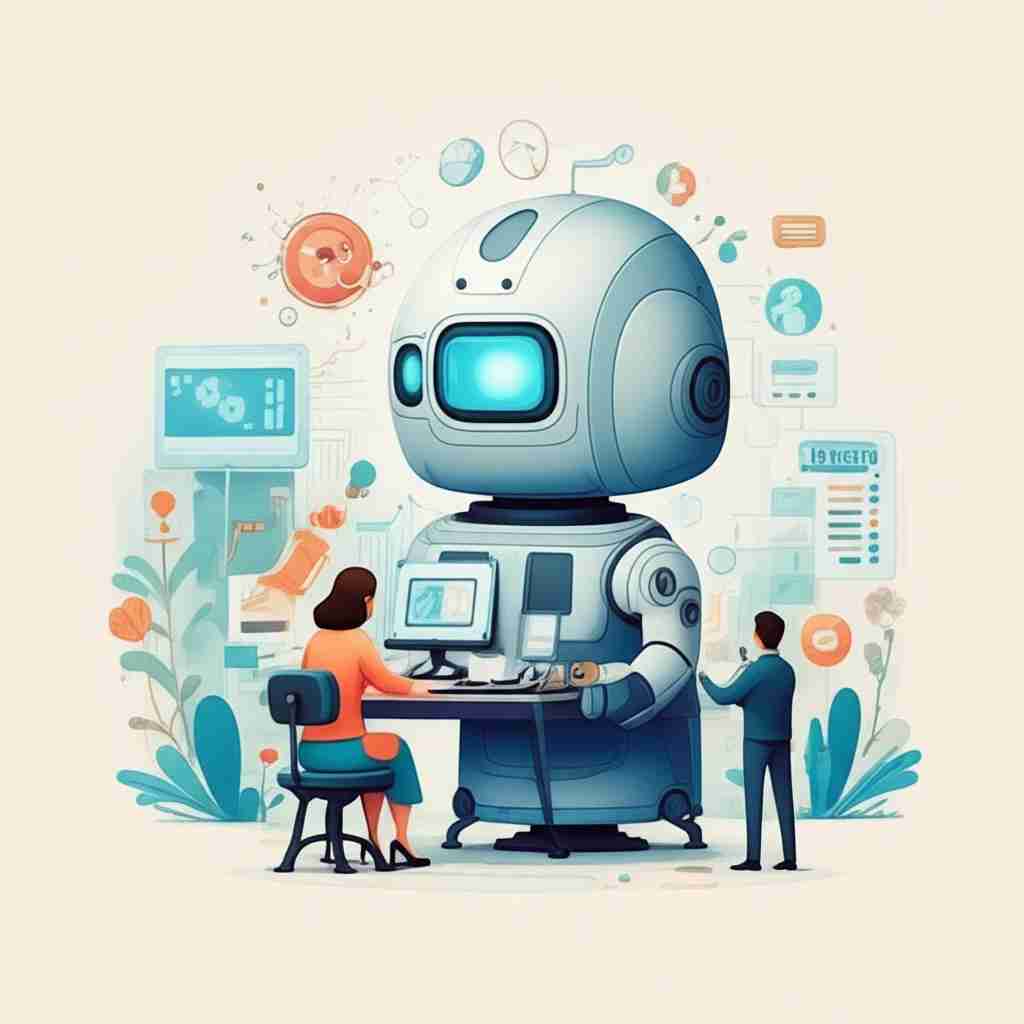
However, the progression of AI has not halted at the digital frontier. Recent years have witnessed an increasing convergence between AI ‘minds’ and physical ‘bodies,’ resulting in robots and machines that not only process information but can also interact with the physical environment. This partnership between software intelligence and mechanical hardware is referred to as ‘physical AI.’ Here’s what defines this shift:
- AI-powered robotics: Machines that interpret their environment and take autonomous action, such as sorting packages or navigating warehouse floors.
- Automation of mundane and repetitive tasks: Freeing up human labor from tedious work and increasing operational efficiency.
- Adaptive capabilities: Physical AI systems can adjust strategies based on sensory feedback and changing circumstances.
The move toward physical AI marks a pivotal moment, blending the intelligence of digital algorithms with tangible, real-world impact. Instead of merely analyzing data or answering questions online, AI now supports hands-on work, from manufacturing and shipping to direct human-robot collaboration.
Amazon’s Strategic Bet on Physical AI
Among global technology companies, Amazon stands at the forefront of physical AI adoption. Facing persistent pressure to streamline supply chains, meet rising delivery expectations, and maintain profitability amidst fluctuating economic conditions, Amazon is integrating physical AI to fundamentally reshape its core business. A close look at their strategy reveals several key aspects:
- Massive investment in automation: Amazon is actively automating its vast e-commerce logistics network, with annual logistics costs previously exceeding $200 billion.
- Upgrading the robotic workforce: Their latest AI models aim to enhance delivery speed and improve the intelligence of warehouse robots—effectively blending machine learning with real-world tasks.
- Improving operational margins: Automation efforts are intended to boost Amazon’s operating margins from roughly 11% to as high as 15%. For a high-volume business, this represents a dramatic financial shift.
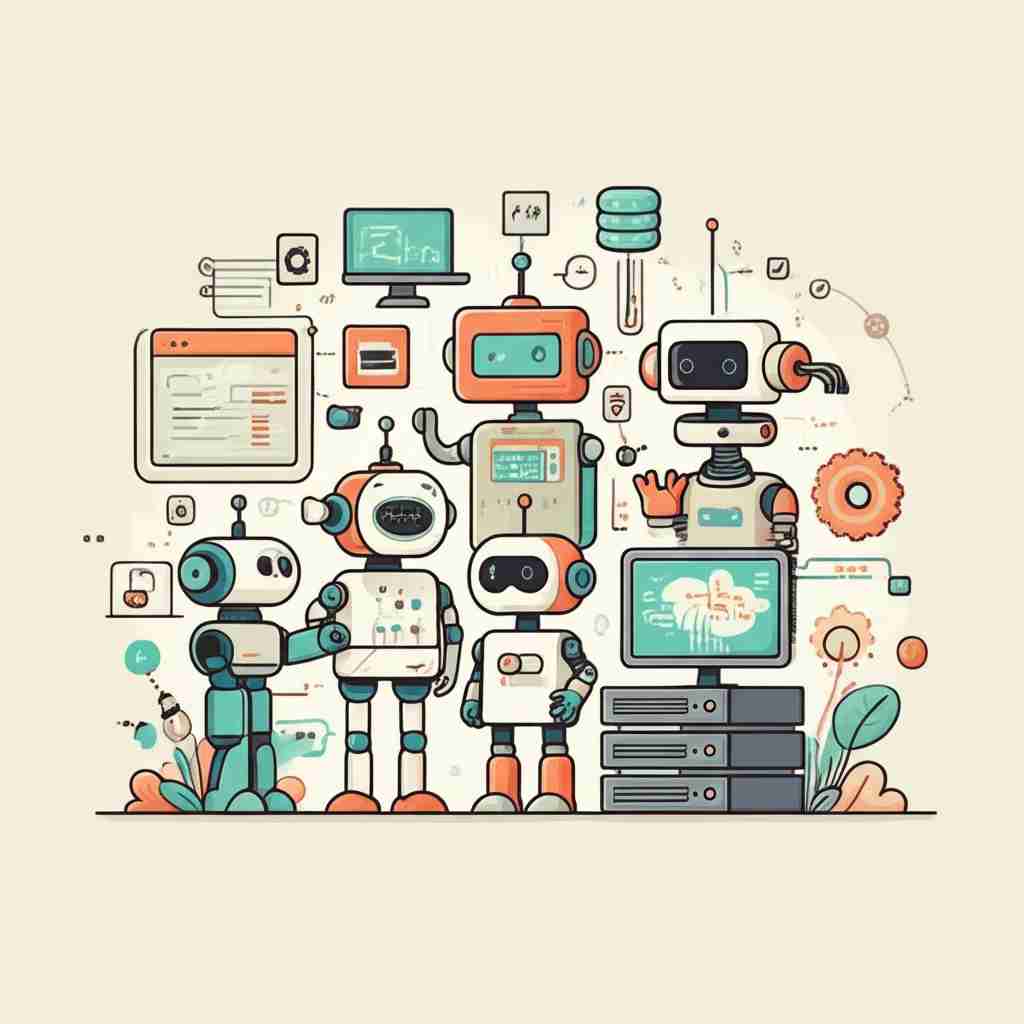
- Testing next-generation robots: Amazon is already experimenting with humanoid and non-humanoid robots, expanding their fleet to almost a million machines globally. Most of these are currently robotic arms or autonomous vehicles tailored for specific tasks.
- Strategic partnerships: Collaborations with robotics firms (e.g., Agility Robotics) play a part in this physical AI ecosystem, fueling further innovation.
To illuminate the significance of these efforts, consider the words of Amazon’s robotics chief technologist: “We call it physical AI because what we’re doing is we’re blending the mind with the body. We can create a more adaptive robot. We can take on the menial, the mundane, and the repetitive, eliminate that with our robotics. We can improve efficiencies for our customer to pass along a low cost as well.” This clearly signals a vision where AI-driven robots not only supplement but transform the operational landscape.
The Broader Impact on Jobs and Workforce Dynamics
With physical AI on the rise, much of the public discourse has turned to its implications for employment. While AI-powered chatbots already altered job roles in customer service and information management, physical AI introduces new questions—and opportunities—particularly for jobs involving manual labor or repetitive tasks.
- Natural attrition versus layoffs: Amazon illustrates the difference between traditional layoffs and ‘natural attrition.’ Rather than handing out pink slips, the company plans to slow hiring as tasks become automated—effectively replacing workers through technological upgrade rather than sudden job losses.
- Turnover in physical roles: High rates of voluntary departures in labor-intensive positions, such as warehouse and delivery jobs, provide fertile ground for automation—especially when expectations (“rates”) are high and jobs are physically demanding.
- Shifting skill requirements: As AI handles more low-skill tasks, demand will increase for workers with programming, robotics maintenance, and system management skills, resulting in higher compensation for those with specialized education or experience.
- Risks and opportunities: While some fear job losses, others acknowledge that physical AI could fill persistent labor shortages, improve workplace safety, and free people for more complex, creative, or rewarding work.
The ultimate impact is nuanced. While there may be fewer positions for traditional manual laborers, new opportunities emerge for those willing (and able) to transition to technology-centered roles.
Evidence-Based Insights: What the Research Says
A study conducted at Computerworld provides authoritative insights into the current landscape of physical AI. The research highlights how the fusion of AI software with robotic hardware—manifesting as ‘physical AI’—is reshaping industries by automating everything from supply chains to manufacturing lines. The study notes that leading firms investing in physical AI (like Amazon) benefit from improved efficiency, cost reduction, and competitive advantage. Critically, it predicts that as these systems mature, the economic and workforce implications will grow in significance, requiring both corporate leaders and employees to adapt to new business models. These findings reinforce the importance of understanding and preparing for the ongoing shift toward AI-powered automation in the physical world.
How You Can Adapt: Practical Takeaways for Individuals and Organizations
Whether you are a professional, business leader, or someone curious about where the future of work is headed, the rise of physical AI presents both challenges and actionable opportunities. Here are some practical steps to consider:
- Continuous Skill Development: Embrace learning in fields such as robotics, machine learning, and AI system integration. Upskilling positions you to work alongside and manage new physical AI technologies.
- Monitor Industry Trends: Stay informed about developments in automation and robotics within your sector to anticipate shifts and proactively adjust your career or business strategy.
- Focus on Adaptability: Cultivate a mindset that welcomes change, as industries that automate tend to experience rapid and sometimes unpredictable transformation.
- Leverage Automation for Growth: Business owners should explore adopting physical AI to boost efficiency, cut costs, and remain competitive amid global market pressures.
- Consider the Human Element: Even as AI takes on more tasks, unique human skills—creativity, empathy, leadership—will remain vital. Balance technology adoption with investment in people.
The Future: Physical AI as a Societal Catalyst
The transition from chatbots to robots marks more than a technological milestone; it signals a cultural shift. Physical AI has the potential to:
- Revolutionize traditional industries, from factory floors to healthcare and beyond
- Create new job categories and entrepreneurial ventures
- Set new standards for workplace safety, efficiency, and innovation
- Pose complex ethical and economic questions about workforce displacement and technological dependence
While some may resist or fear the changes physical AI brings, history consistently demonstrates that those who adapt and harness new technologies ultimately thrive. As AI migrates from the digital realm into the tangible world, embracing its potential is not just a matter of keeping up—it is an imperative for future success.
Conclusion:
From the assembly line to the automated warehouse, the rise of physical AI is transforming the nature of work, productivity, and daily life. Companies like Amazon are leading the way, but the ripple effects will touch virtually every sector. By understanding these trends, investing in adaptable skills, and thoughtfully integrating technology, both individuals and organizations can position themselves to not only survive, but lead in the era of physical AI. The transition is underway—how you respond will help determine your place in the new world of intelligent machines.
About Us
At AI Automation Perth, we empower local businesses to adapt to the evolving world of AI—where smart automation is moving from digital chatbots to hands-on, real-world applications. Our tailored solutions help streamline daily operations, boost efficiency, and prepare you for the shift toward physical AI technologies, ensuring your business stays ahead as automation transforms industries across Perth and beyond.