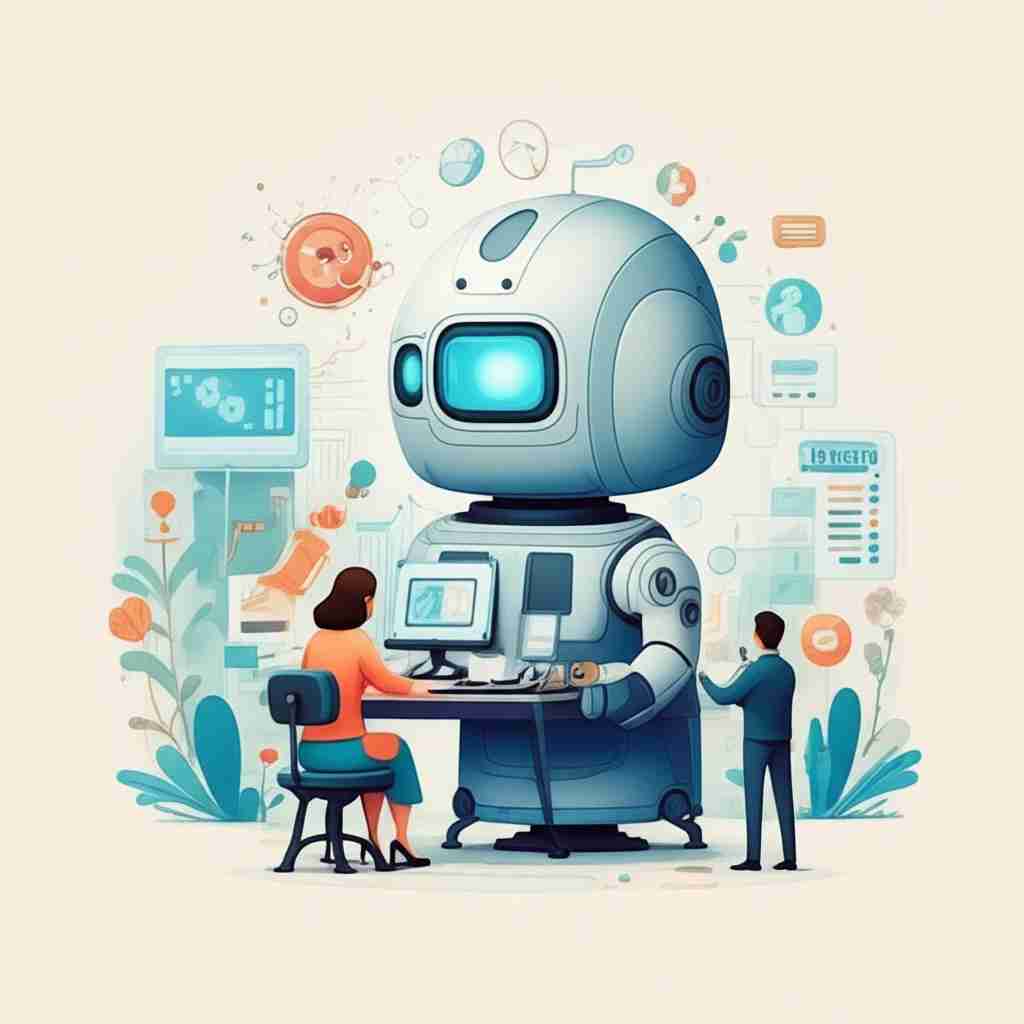


Artificial Intelligence Implementation: 8 Steps for Success
Artificial intelligence (AI) is revolutionizing industries across the globe, promising greater efficiency, enhanced productivity, and transformative capabilities for any organization ready to embrace it. Yet, as excitement grows, so does the risk of failed projects, wasted investments, and missed opportunities. How can your business successfully implement AI and ensure sustainable outcomes? This authoritative guide outlines the eight critical steps—and the internal dynamics you can’t afford to ignore—setting you on a path toward successful AI adoption.
1. Understand the Reality of AI Transformation
The journey toward AI implementation begins with understanding the profound impact this technology is poised to have on business operations and workforce structures. While enterprises are eager to explore AI’s potential—from AI-powered chatbots to predictive analytics and autonomous agents—many are still at the initial stages of their AI journey, with limited practical integration.
There are two phases of organizational adaptation to AI:
- AI Augmentation: AI supports human workers, boosting productivity but not fully replacing employees. For example, if an employee performs 100 tasks, AI may handle about 50, while humans oversee accuracy and improvement.
- AI Replacement: As AI agents evolve, entire non-core departments may become automated, leading to significant workforce changes. Still, interpersonal roles (like deep customer engagement) are likely to remain human-driven.
Understanding these phases prepares leadership and employees for the shifts ahead and frames expectations for how AI will be integrated within your unique business context.
2. Address Internal Resistance: The Invisible Barrier
One of the biggest, yet least discussed, threats to successful AI implementation is internal resistance. This issue arises primarily from misaligned goals among stakeholders:
- Executives aim to drive efficiency and profitability by integrating AI.
- Employees seek job security and might see AI as a threat to their relevance and livelihood.
This underlying tension can cause employees to be less forthcoming when collaborating on process automation or even to indirectly sabotage projects by withholding crucial information. The result? Incomplete automations, missed deadlines, and projects that fail to deliver true value.
To circumvent this barrier:
- Recognize the Asymmetry: Understand and openly acknowledge differing incentives between leadership and staff.
- Foster Transparency: Communicate how AI can augment rather than replace roles, and discuss new growth opportunities.
Anticipating and managing resistance with empathy and clarity from the outset sets a foundation for genuine collaboration in the steps to follow.
3. Assign Accountability and Align Incentives
Successfully implementing AI is not just a technical challenge—it requires robust project management and the alignment of incentives throughout your organization. Based on practical experience from multiple enterprise deployments, two best practices stand out:
- Appoint a Dedicated Internal Project Manager
This person should be explicitly responsible for the AI project, working as a bridge between external AI experts and internal stakeholders. Assigning this responsibility as a core component of their role—rather than an afterthought—ensures accountability and progress. - Offer Meaningful Incentives
Incentivize employees involved in the project—financially or through career growth—so that their success is tied to the project’s outcome. This not only improves engagement but also aligns staff interests with business objectives.
Resourcing these steps up front might feel like an extra cost; however, the return on investment is substantial when you consider the increased probability of project completion, better outcomes, and long-term ROI from properly integrated AI systems.
4. Build Internal AI Capability for Sustainable Growth
Looking beyond the first implementation, forward-thinking companies are investing in internal AI expertise. Two complementary strategies will help your organization build resilience and gain a competitive edge:
- Create Internal AI Automation Teams: Repurpose current employees—particularly those who understand your standard operating procedures (SOPs)—to become AI automation specialists. With low-code and no-code platforms, upskilling is accessible and empowers staff to manage and innovate on future AI initiatives.
- Repurpose and Redeploy Talent: Rather than focusing on headcount reduction, explore how automation can free up personnel for higher-value activities (such as strengthening customer relationships). This approach not only retains organizational knowledge but also unlocks additional business value.
There may come a point where workforce restructuring is necessary, but the initial emphasis should be on transforming and elevating your existing talent pool. This strategy boosts morale, reduces resistance, and creates new business opportunities as AI evolves.
Research published in IBM’s Think Insights found that the most successful AI implementations follow a structured, multi-step approach, regardless of an organization’s size, industry, or specific use case. The study—Artificial intelligence implementation: 8 steps for success—highlights best practices such as upfront planning, stakeholder alignment, the need for internal expertise, and ongoing optimization. By adopting a disciplined roadmap tailored to your organization’s unique needs, you can maximize AI’s impact while minimizing common pitfalls.
5. Cultivate a Culture of Learning and Entrepreneurial Mindset
AI technology is rapidly changing, and even the top experts are continually learning new tools, techniques, and applications. For organizations and individuals alike, cultivating an AI-first mindset is essential:
- Upskill Subject Matter Experts: Encourage employees with domain expertise (in law, finance, HR, marketing, etc.) to deepen their AI knowledge. Their combined understanding of the business problem and AI technology makes them invaluable stewards of implementation and ongoing optimization.
- Promote Lifelong Learning: Provide access to training, resources, and internal communities focused on AI literacy for all staff. This shapes a forward-looking culture, better equipped to navigate future changes.
- Empower Intrapreneurial Initiatives: Encourage those with deep industry insight to spearhead AI projects, improving processes or even pioneering new AI-driven business lines tailored to unique market needs.
For entrepreneurs, now is a “golden opportunity.” With many industries yet to fully embrace AI, those who understand their field’s problems and can leverage AI to solve them are positioned to lead and innovate at scale.
Conclusion: Your Roadmap to AI Success
The promise of artificial intelligence is real, but reaping its benefits requires more than technical integration. It demands strategic planning, empathetic leadership, meaningful internal partnerships, and a willingness to invest in people. Managing change, fostering collaboration, aligning incentives, and actively nurturing AI talent will set your business on the path to sustainable and successful AI adoption.
- Recognize and address internal resistance upfront
- Assign accountable project leaders and incentivize buy-in
- Build and upskill internal AI teams for ongoing adaptation
- Encourage continuous learning and entrepreneurship
By following these principles and leveraging the eight-step roadmap highlighted by the latest research, your organization can champion the next era of productivity and innovation. The AI future is closer than you think—prepare now to lead with confidence.
About Us
At AI Automation Perth, we empower local businesses to streamline their operations by making AI accessible and practical. Our tailored automation solutions help organizations adopt AI successfully—enhancing productivity, supporting teams through change, and ensuring sustainable growth. We guide you at every step, from initial planning to building internal AI skills, so you can embrace innovation with confidence.