
AI and Copyright: Is There a Need to Balance the Rights of Authors with the Need to Train AI?
Introduction: The Growing Tension between AI and Copyright
Artificial intelligence (AI) is rapidly transforming the creative landscape. From music and visual art to written content, AI-generated works are increasingly prevalent—and increasingly controversial. At the heart of this debate is a fundamental question: How do we balance the rights of human authors with the expansive need for data to train AI systems? As platforms and creators grapple with new legal and ethical uncertainties, this issue is becoming an urgent challenge for content creators, rights holders, and technology companies alike.
The Current Landscape: Copyright Law Meets Machine Learning
Copyright law was designed to protect human creativity by granting exclusive rights to authors, musicians, and artists. Its cornerstones include protecting original works, such as melodies, lyrics, and other defining characteristics that distinguish one creative work from another.
However, when it comes to AI, the situation is far from straightforward. The US Copyright Office issued rulings in 2023 stating that AI-generated content generally cannot claim copyright protection unless there is sufficient human authorship involved. Yet, the legal system has not clearly defined what “sufficient human authorship” means, leaving a gray zone that has yet to be tested vigorously in the courts.
- Substantial similarity: Copyright disputes often focus on whether two works are sufficiently similar in the eyes of an average observer.
- Access: Courts also consider whether the alleged infringer could have reasonably seen or heard the original work.
AI complicates both points. Models are often trained on vast amounts of data scraped from across the internet, sometimes without explicit permission, blurring the lines of what counts as “access” and “originality.” The result? A “wild west” atmosphere where creators may find themselves unexpectedly liable or excluded from their own rights, or face copyright claims over works made with or by AI.
Real-World Impact: How AI-Generated Content Challenges Copyright Systems
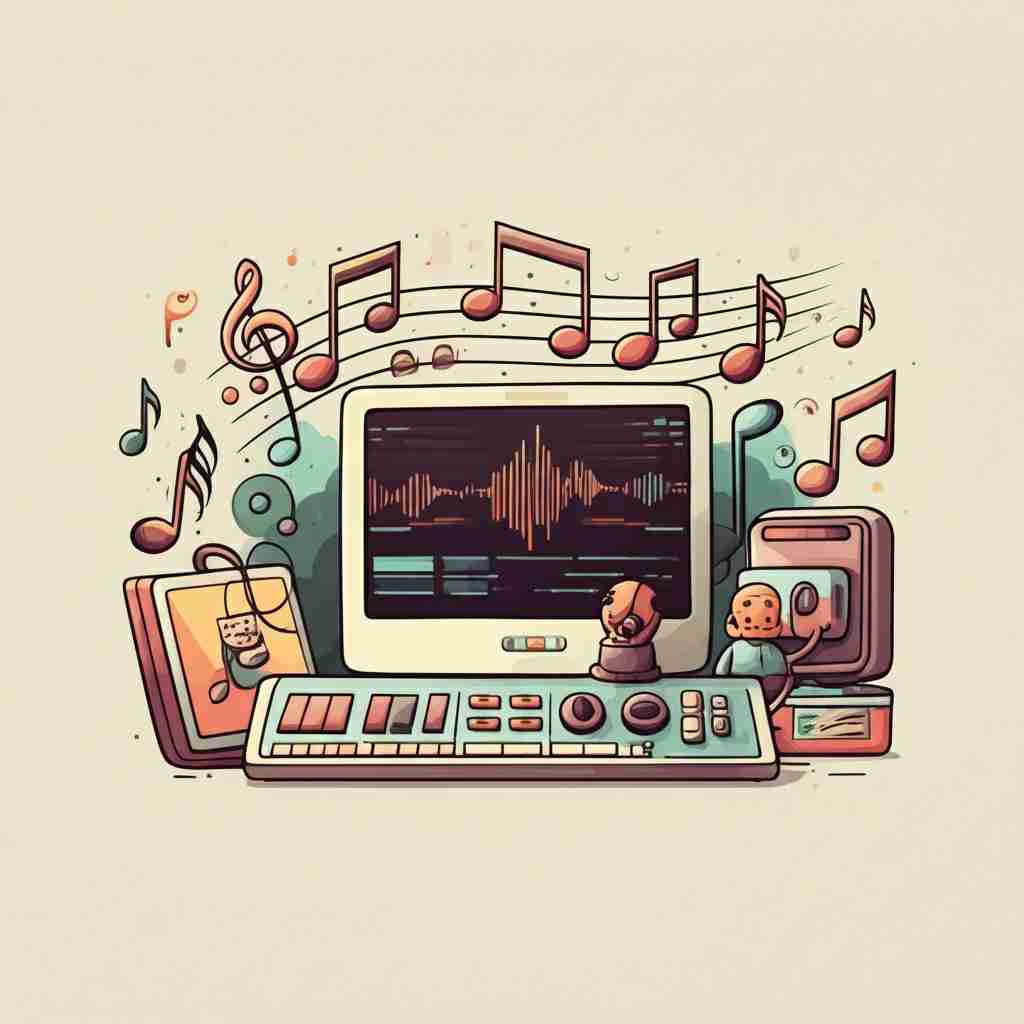
The integration of AI into creative production is not just a legal thought experiment—it has very tangible effects on artists and content creators. On platforms like YouTube, the Content ID system detects copyrighted material using an automated fingerprinting database. While designed to protect creators, Content ID can be easily manipulated:
- AI-generated tracks can be uploaded to distribution services and registered for copyright protection, even if they contain no “human authorship.” This can result in wrongful copyright claims against others, including the original creator.
- Platforms may ask uploaders to check a box that claims no AI or unauthorized samples were used, but there is limited real enforcement—individuals can simply click through, bypassing platform policies.
- Disputing a copyright claim is risky: creators could lose monetization, face strikes, or even risk removal from the platform, discouraging many from challenging false claims.
For example, a musician could create a piece of music, only to later find that someone used AI to generate a similar track and registered that with Content ID. If the original musician’s new work is flagged as being too similar to the AI-generated version, they could face a copyright claim—even for music that rightly belongs to them.
Even major platforms admit they aren’t equipped to resolve such disputes: “YouTube’s response was simply that they’re just not in a position to determine or enforce any of this and it’s just a matter of too bad so sad better luck next time…” As a result, addressing these disputes often means hiring lawyers for lengthy and costly proceedings, effectively favoring those with greater resources.
The Case for Balance: Authors’ Rights vs. AI Training Needs
As AI models are increasingly trained on vast datasets harvested from the open internet, serious questions arise:
- Were artists or rights holders asked for permission for their works to be used in training datasets?
- Do AI-generated works that closely mimic human creations diminish the value of the original or infringe on copyrights?
The conflict is particularly acute in the music industry, with cases emerging of AI companies training models on proprietary tracks or using reference audio inputs to create works indistinguishable from the originals. Legal actions have already begun, with industry bodies like the RIAA filing complaints against AI platforms for unauthorized use of artists’ works.
Compounding the problem, some platforms openly tout features that encourage users to imitate well-known artists, blurring the distinction further between homage, influence, and outright copying. As AI systems become more sophisticated, the risk grows that unique artistic voices will be diluted or devalued by mass-produced AI content.
Research published in the Law Society Journal underscores these concerns, highlighting an urgent need for balance. A study conducted at the Law Society Journal reviewed current legal frameworks and concluded that while AI promises innovation and accessibility, unchecked use of copyrighted material in training data undermines the rights and incentives of original creators. The study calls for robust, updated legal mechanisms that ensure fair compensation and consent when authors’ works are used to train AI, while also enabling responsible AI development. AI and copyright: is there a need to balance the rights of authors with the need to train AI?
Toward Solutions: Recommendations and Actionable Steps
While the current environment is described as a “nightmare” for creators, there are practical steps that artists, content creators, and platforms can consider to protect their rights and help shape the future of copyright law in the age of AI:
- Stay Informed: Keep up to date with copyright law changes and platform policies surrounding AI-generated content.
- Track Your Work: Register your creative works with reputable copyright databases and make use of tracking/fingerprinting technologies where possible.
- Vet Your Sources: Be cautious in using royalty-free or AI-generated content from sites without clear copyright policies; confirm the origin and licensing before use.
- Advocate for Reform: Support or participate in industry initiatives calling for modernization of copyright laws to address AI-specific challenges.
- Document Authorship: Keep thorough records of your creative process. This can provide critical evidence should a copyright dispute arise.
Content creators can also contribute by raising awareness of these issues, supporting organizations that champion artists’ rights, and pushing for international standards that protect creators everywhere.
Conclusion: Charting a Path Forward for AI, Authors, and Copyright
The collision of AI innovation with traditional copyright law has thrown the creative world into uncertainty. As AI’s demands for data grow, it is essential to craft new legal standards that both protect the work of human authors and enable responsible AI development. The path forward will require careful negotiation between rights holders, technology platforms, policymakers, and creators themselves. Until clearer laws and enforcement mechanisms are in place, the best approach is to remain vigilant, informed, and proactive in advocating for fair and balanced copyright practices. Above all, creators should not be dissuaded from producing the art, music, and stories they love—in the end, human creativity is irreplaceable, and its protection is as vital as ever in our AI-powered future.
About Us
At AI Automation Perth, we help businesses harness the power of AI responsibly and effectively. As new technologies raise important questions about creativity and copyright, we support organisations in adopting AI solutions that respect legal and ethical standards—empowering you to innovate with confidence, while valuing human creativity at every step.